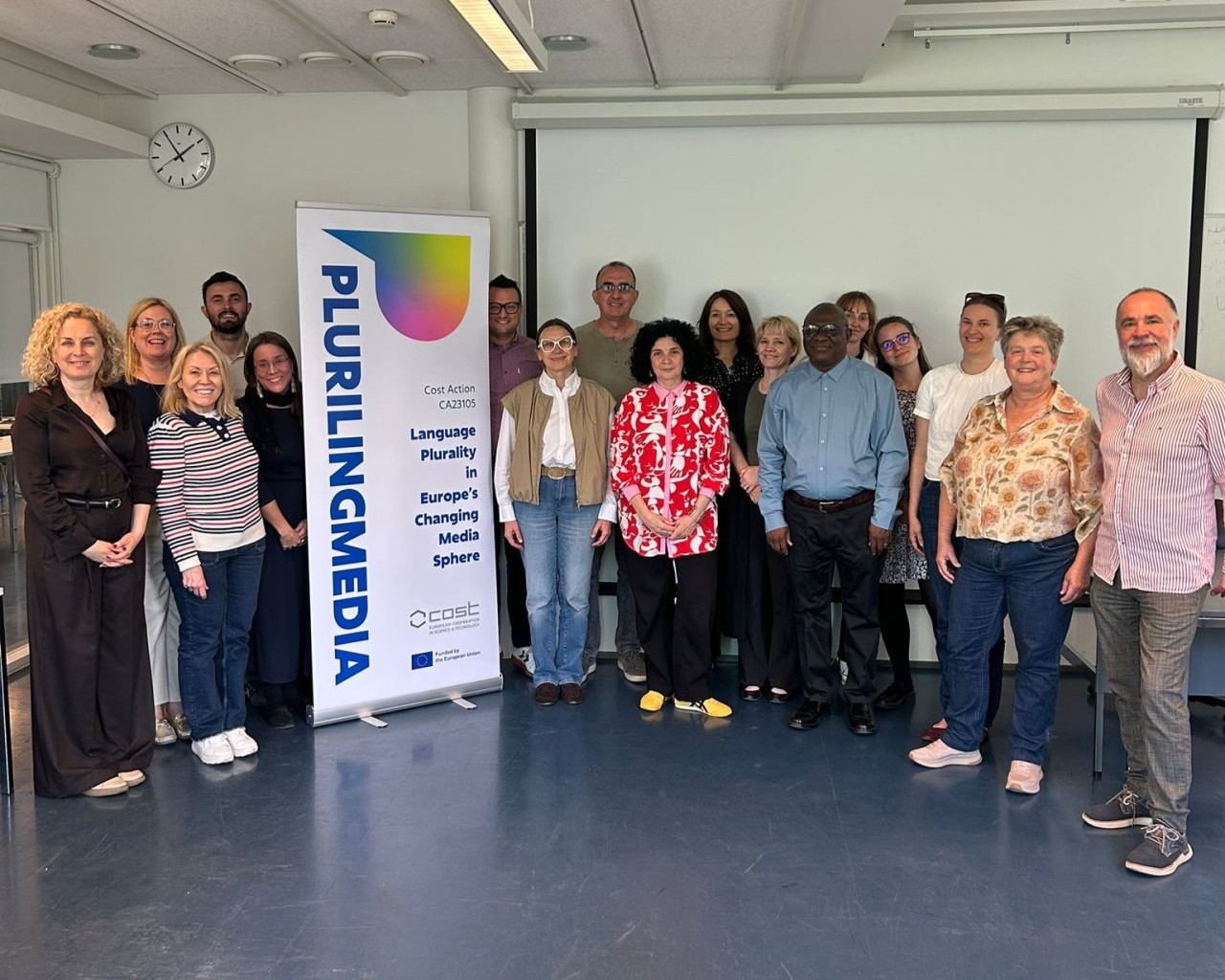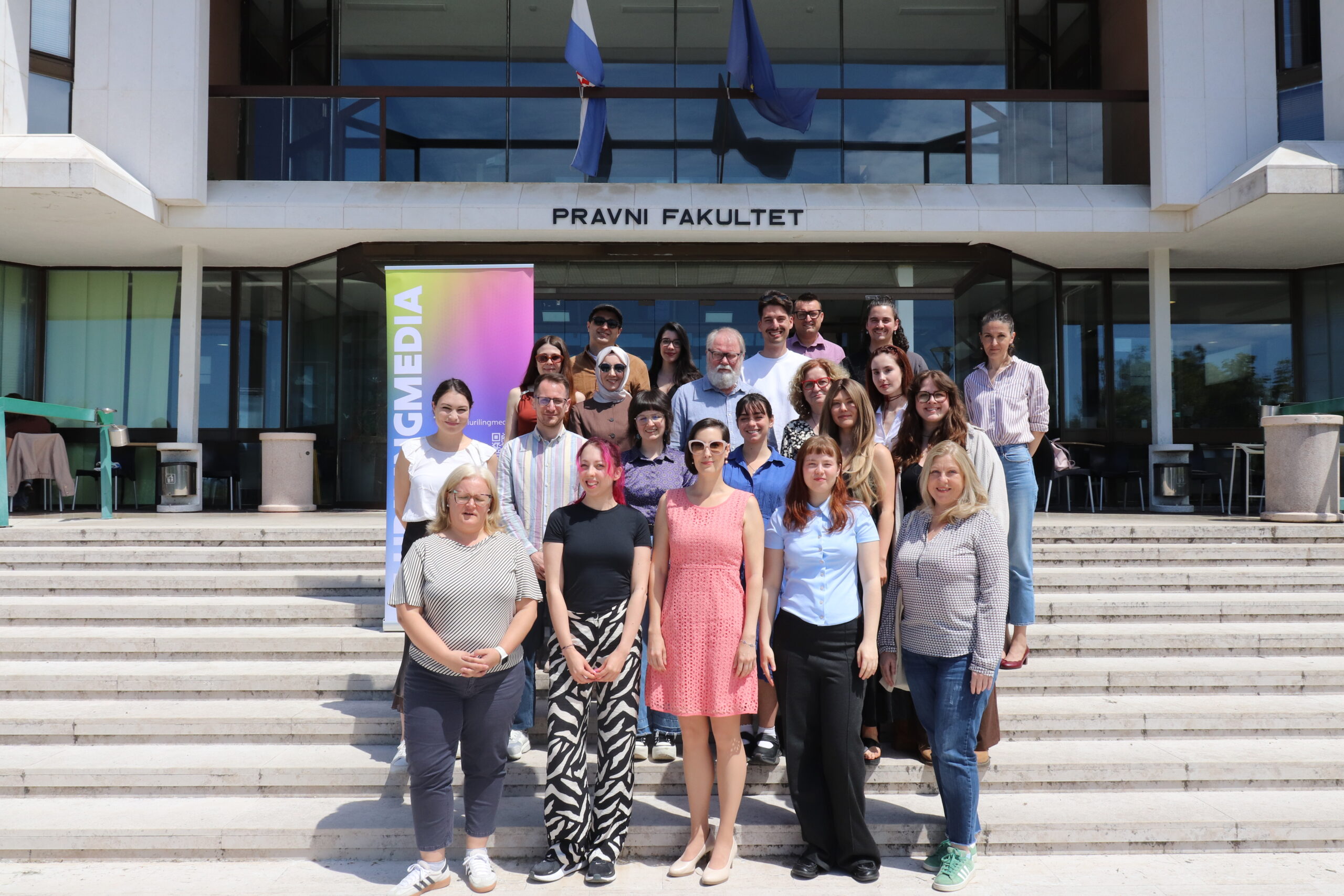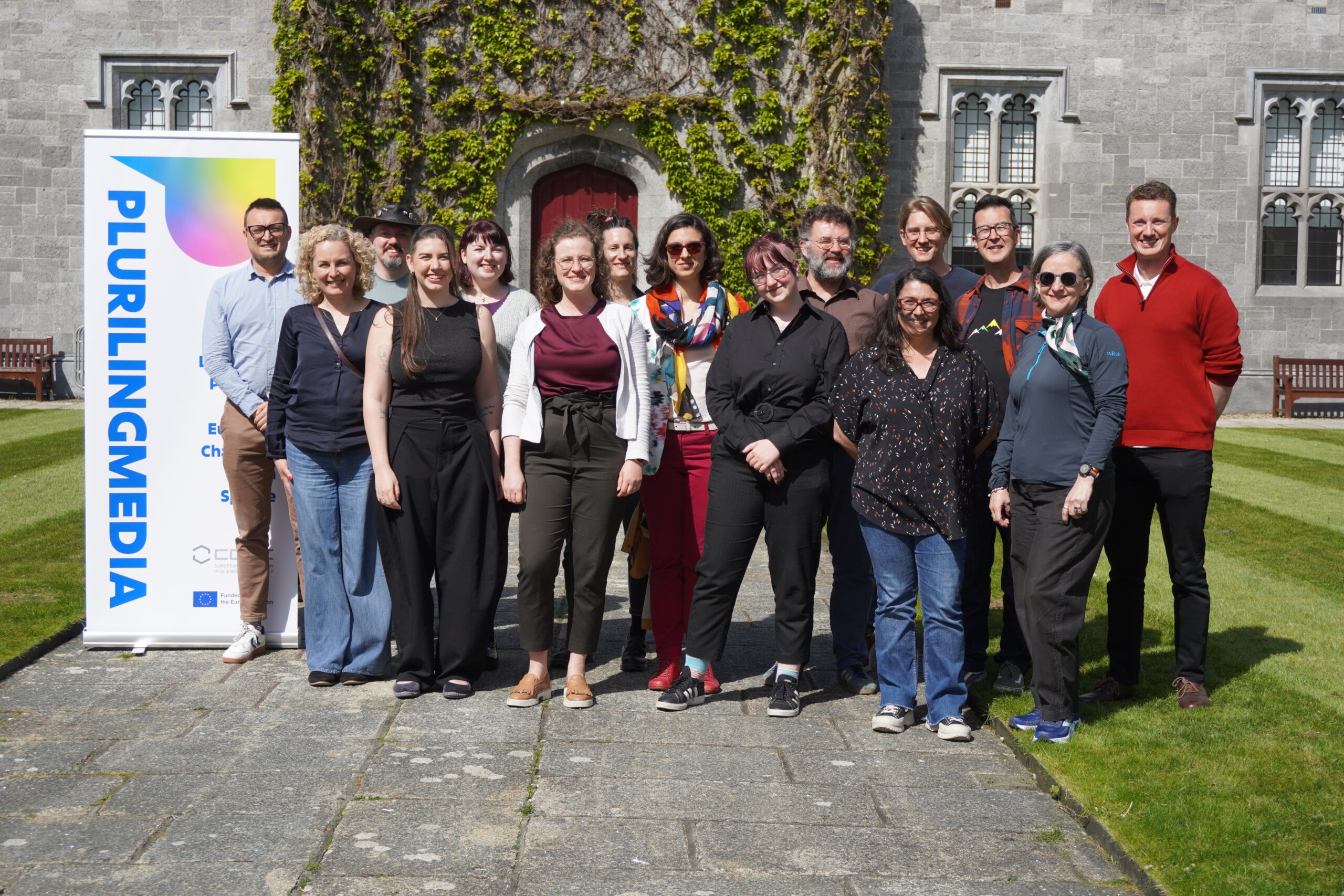
Content creation in minoritised languages was the focus of a recent PLURILINGMEDIA workshop held in Barcelona on 3rd and 4th September, bringing together researchers and practitioners from across Europe to explore how digital creators can contribute to the vitality and visibility of minority languages in online spaces.
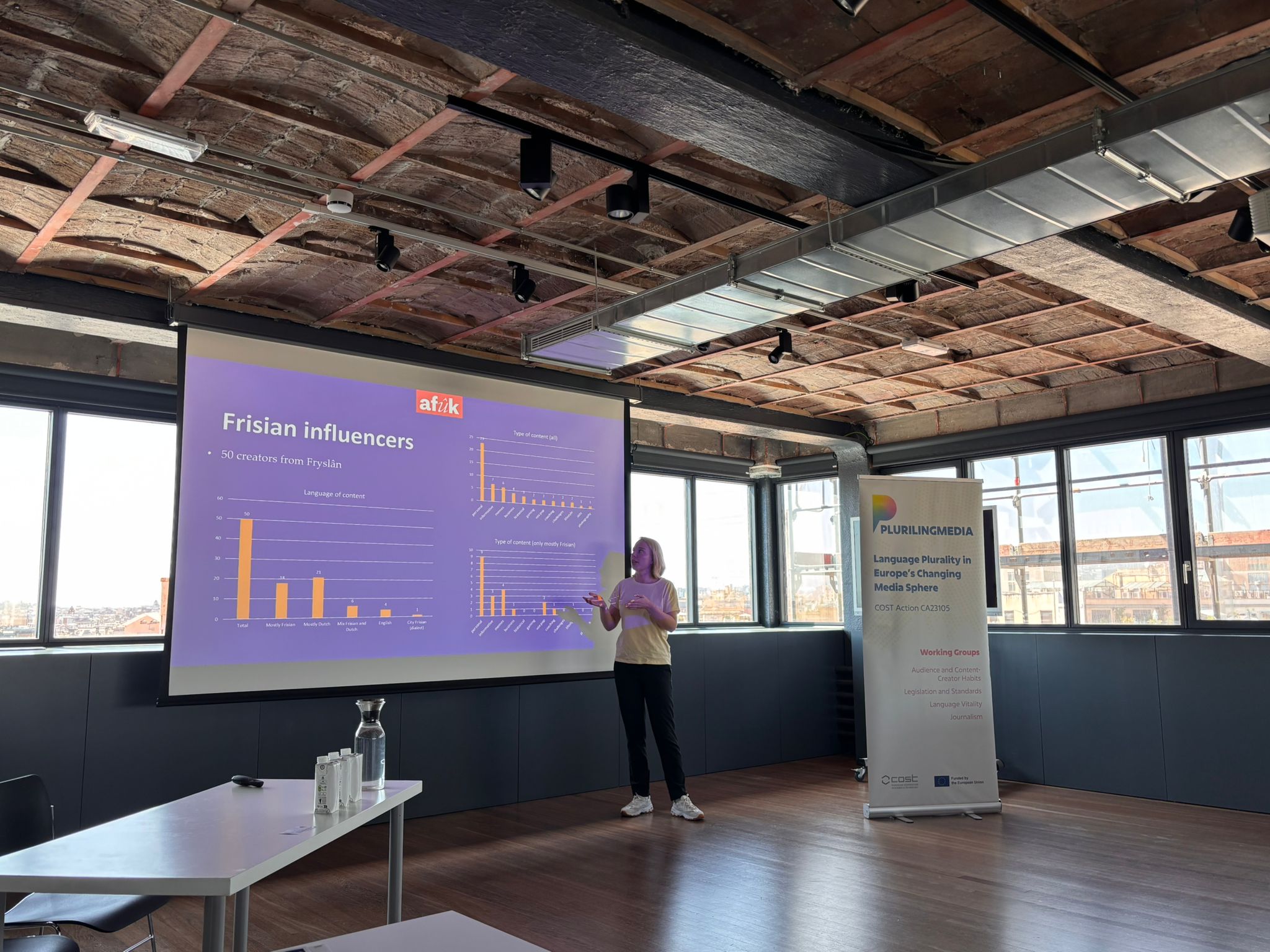
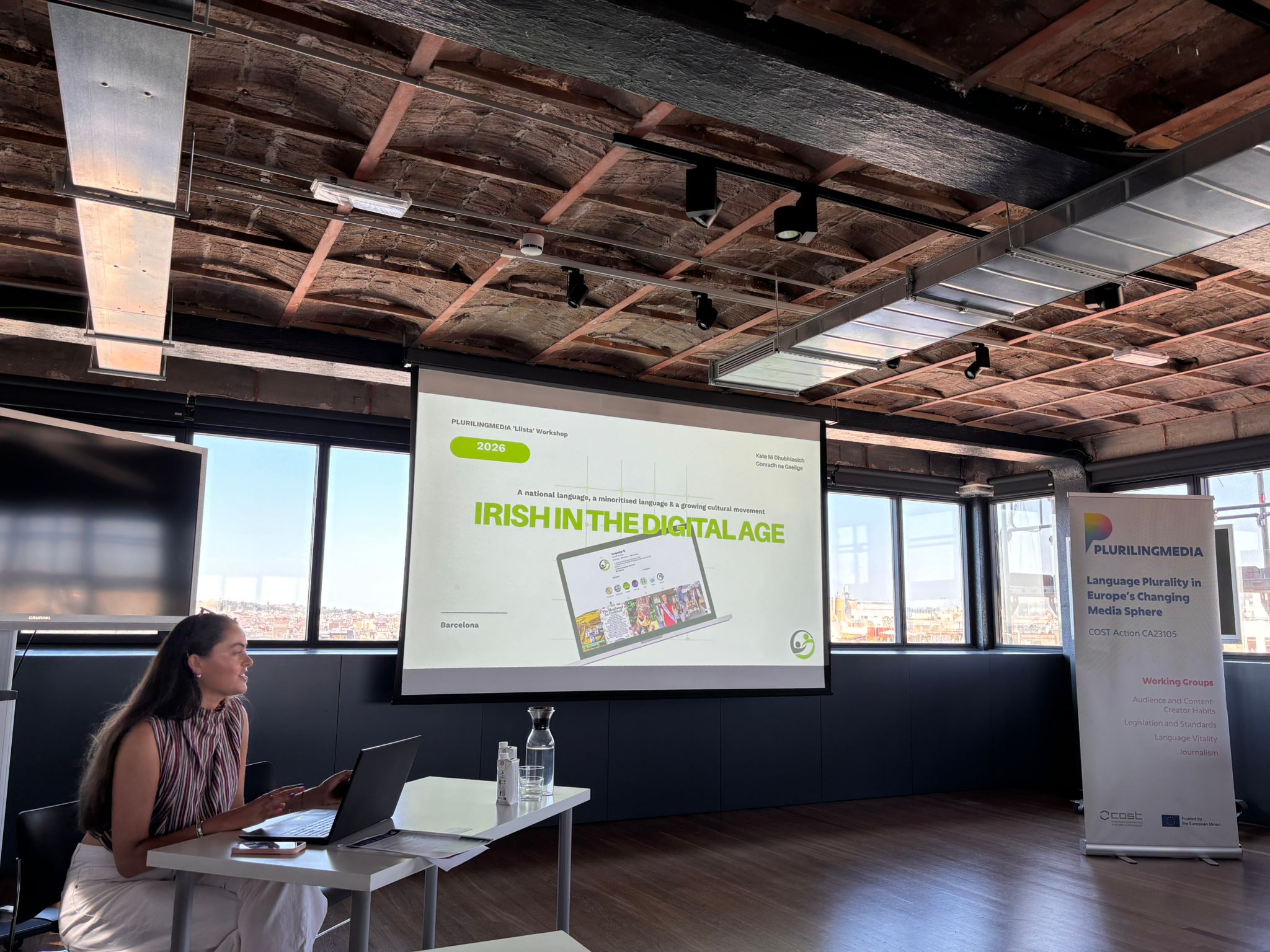
The two-day workshop, organised by Accent Obert and the Institute of Communication (InCom-UAB) at the Universitat Autònoma de Barcelona, was hosted at the Sala Mirador of the Col·legi d’Arquitectes de Catalunya (COAC). Participants represented a wide range of linguistic communities, including Basque, Frisian, Galician, Irish, Kashubian, Ladin, Latgalian, Silesian, South Tyrolean and Welsh, providing a valuable opportunity to compare experiences and challenges across ten minoritised language contexts.
Discussions centred on the role of content creators in strengthening linguistic diversity on digital platforms, particularly among younger audiences. A key theme was the importance of identifying, mapping and supporting creators who produce content in minoritised languages, helping them gain visibility, connect with audiences and contribute to the normalisation of language use online.
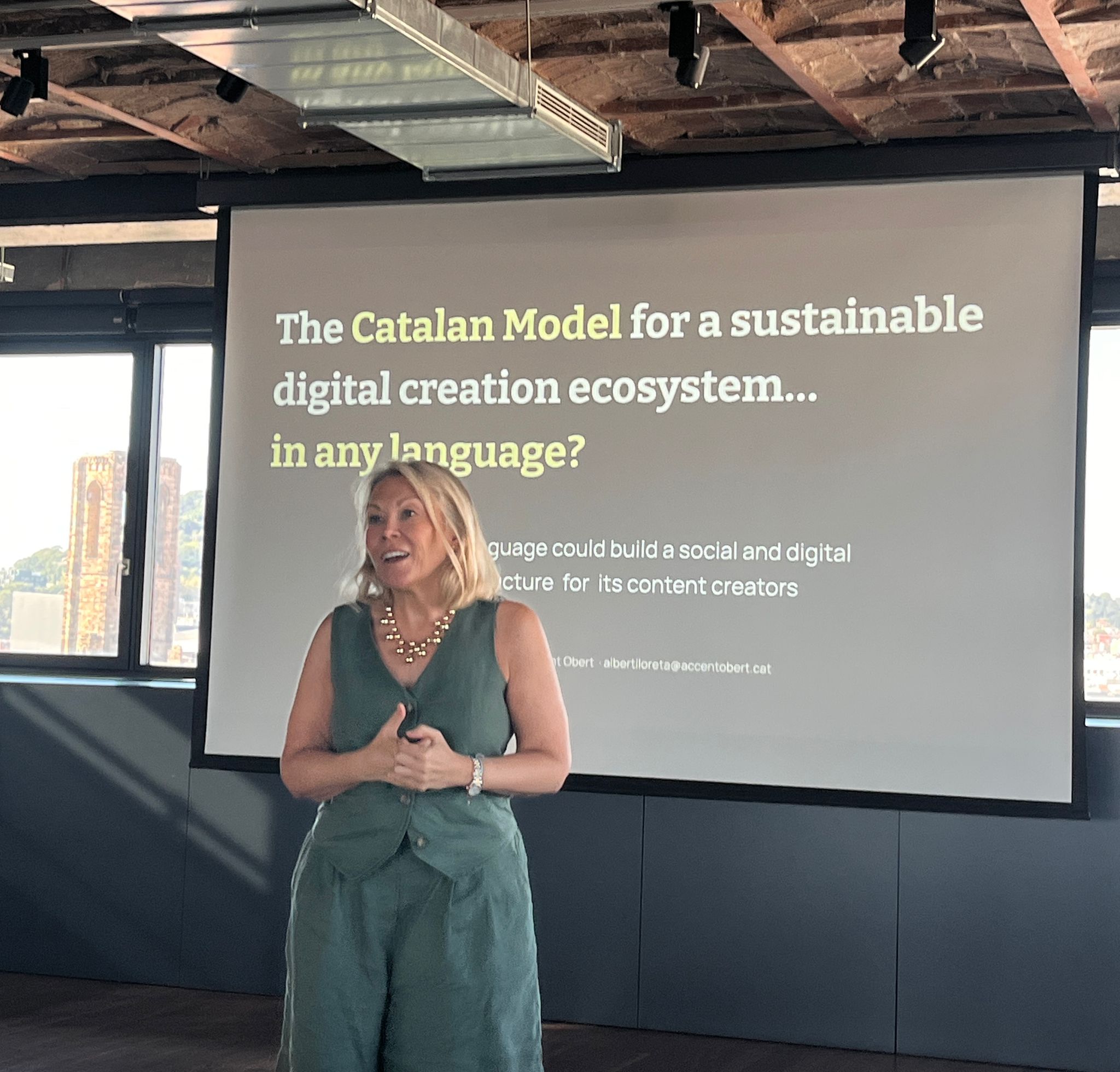
The workshop began with an exploration of the Catalan context, presented by Albert Lloreta and Sergi Céspedes of Accent Obert. Participants were introduced to Llista and Premis CRIT, initiatives designed to identify, recognise and promote Catalan-language content creators. These projects were presented as part of a broader ecosystem supporting digital content creation in Catalan and served as examples of how targeted initiatives can strengthen the presence of a language across social media platforms.
Participants discussed how similar models might be adapted and transferred to other linguistic communities. Particular attention was given to the potential internationalisation of the Llista model and the practical requirements needed to establish comparable networks and recognition systems in other minoritised language contexts.
The programme also included contributions from Carmina Balaguer of Casa de la Creació, Marta Salicrú from Barcelona City Council, and Laura Grau, winner of the Premi CRIT 2026. Their presentations highlighted the connections between public policy, institutional support and content creation, generating discussions on how governments, cultural organisations and creators can work together to foster vibrant digital-language ecosystems.
Throughout the workshop, participants shared experiences from their own communities and explored opportunities for future collaboration. Discussions revealed strong interest in how initiatives such as Llista and Casa de la Creació could serve as inspiration for new projects elsewhere in Europe, while recognising the need to adapt approaches to local circumstances.
The workshop established a strong foundation for further cooperation within the PLURILINGMEDIA network on the topic of content creation in minoritised languages. As social media platforms such as TikTok continue to shape language use and visibility online, PLURILINGMEDIA will continue to support research, knowledge exchange and collaborative initiatives aimed at strengthening linguistic diversity in the digital sphere.