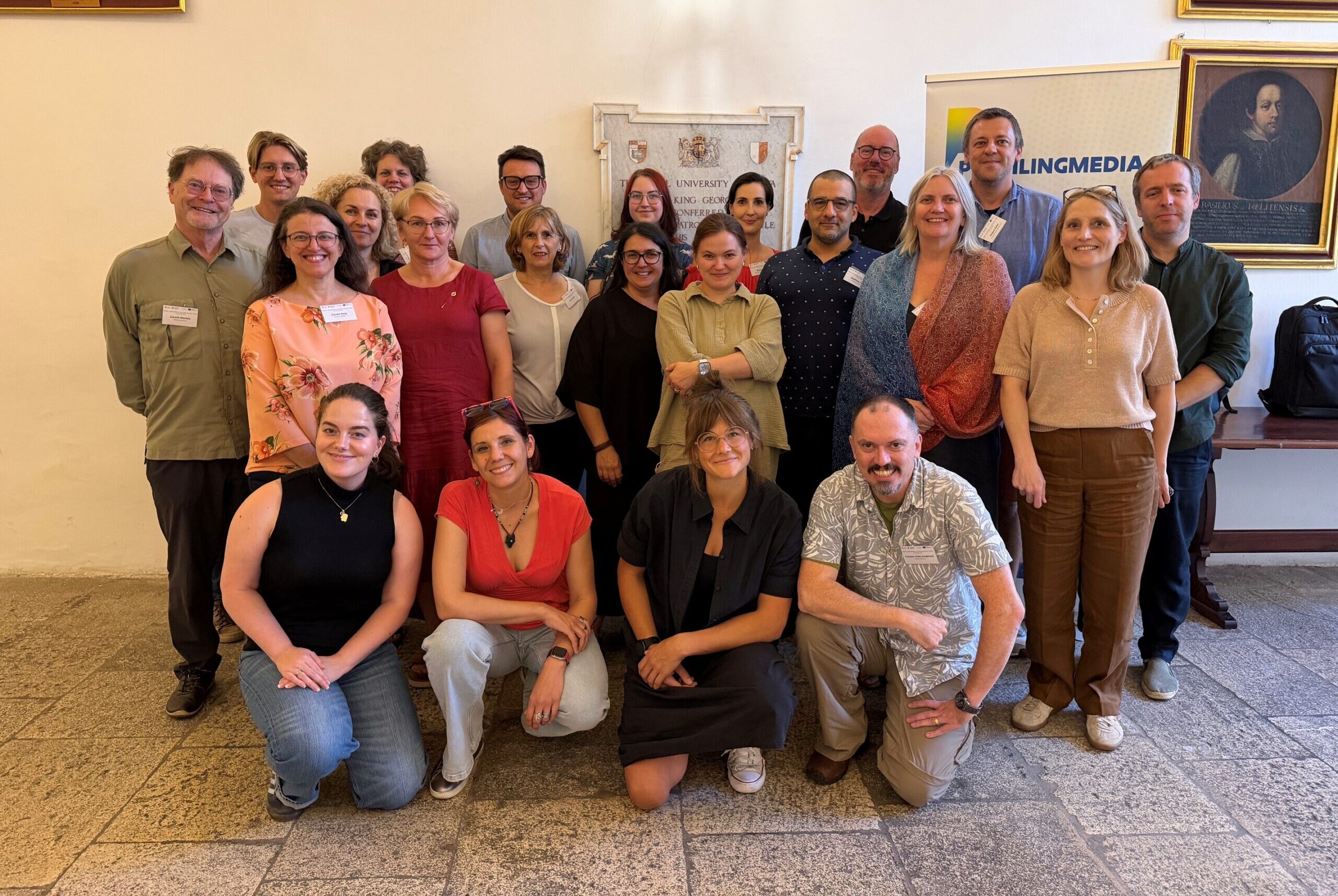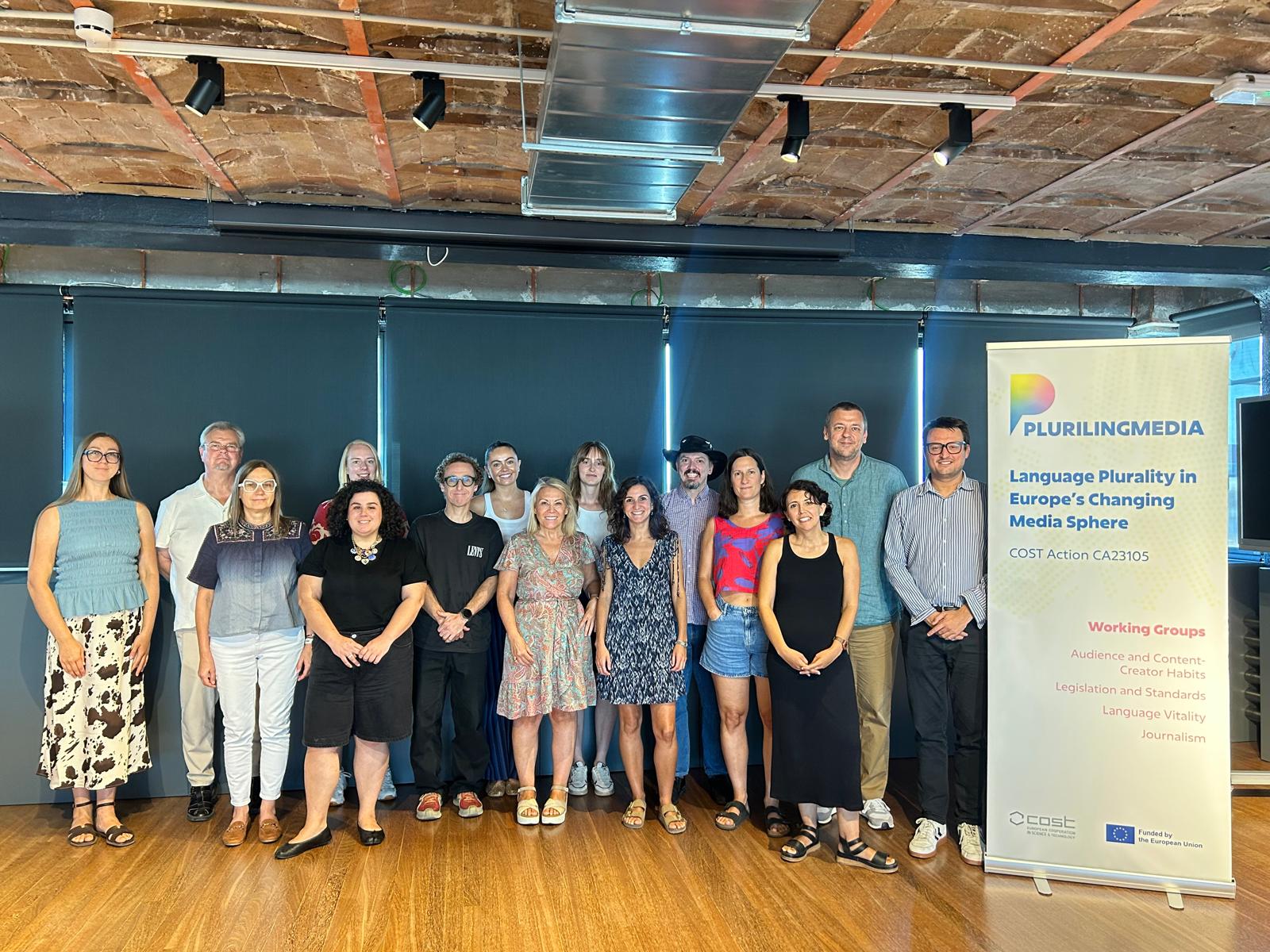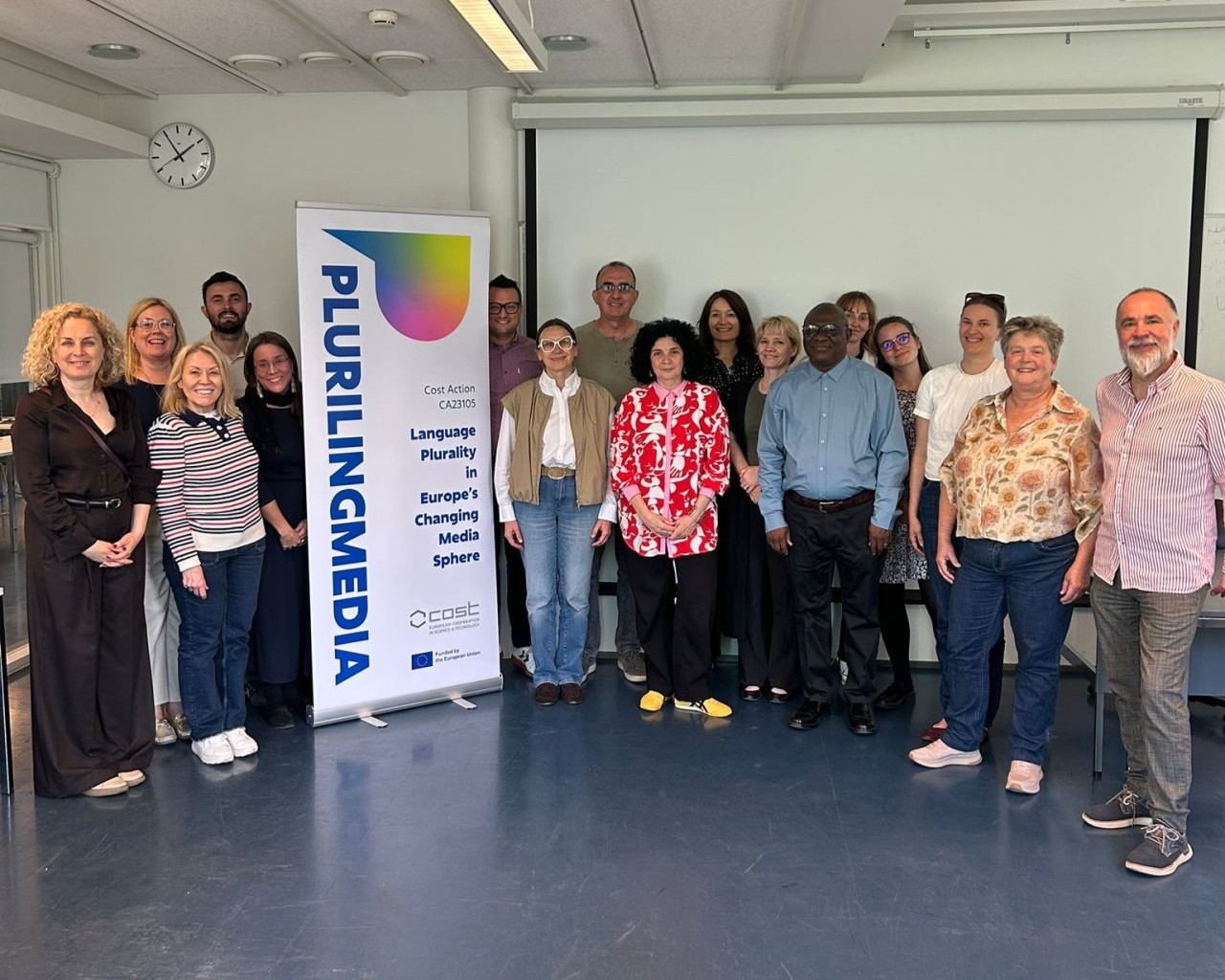
From 18 to 20 May 2026, PLURILINGMEDIA held its second Training School, “Linguistic Plurality in Media: International and National Legal Frameworks,” hosted by the Faculty of Law at the University of Rijeka. Organised by Working Group 2, the event was arranged in collaboration with the Faculty’s Chair of European Public Law and Chair of Foreign Languages, under the leadership of Prof. Vesna Crnić. Bringing together 16 early-career researchers, students, and media practitioners, the Training School opened with an informal gathering on the evening of 17 May, followed by three full days of lectures and workshops.
Over the following days, participants examined the legal frameworks protecting minority language media through case studies including Italian in Croatia and Finnish in Sweden. Sessions were led by Jarmo Lainio (Stockholm University), Noémi Nagy (National University of Public Service), and PLURILINGMEDIA Vice-Chair Lara Sorgo (Institute for Ethnic Studies, Ljubljana), who spoke on the regulatory situation of Italian-language media in Slovenia, including Radio Capodistria, TV Capodistria and EDIT’s publications.
A highlight of the programme was a visit to EDIT, the Italian-language publishing house that has operated in Fiume/Rijeka since 1944 and continues to produce the daily newspaper La Voce del Popolo. Participants met editor-in-chief Ivo Vidotto, who reflected on linguistic plurality as a democratic asset, noting that a minority medium such as his survives on the joint support of three states, Croatia, Slovenia and Italy, and on the laws protecting it, but only truly endures if it remains indispensable to its own community. The day closed with a visit to the Fiume/Rijeka City Museum at the Sugar Palace, tracing the city’s layered and multicultural history. Working Group 2 also used the occasion to continue its work beyond the Training School, holding a further expert workshop later in the week at InnovaLab and with the Comunità degli Italiani di Fiume on the development and implementation of legal frameworks for minority language media.
With its blend of academic sessions, field visits, and informal exchange, the Fiume/Rijeka Training School offered participants both new theoretical grounding in media law and a first-hand look at how one minority language community sustains its own media in practice, a fitting continuation of the network’s first Training School in Aberystwyth and a strong foundation for the editions still to come.